Many visitors are surprised when they discover that authentic Italian cooking is often incredibly simple.
Especially in Tuscany, traditional recipes are not based on complexity or long ingredient lists. Instead, they focus on balance, freshness, and quality.
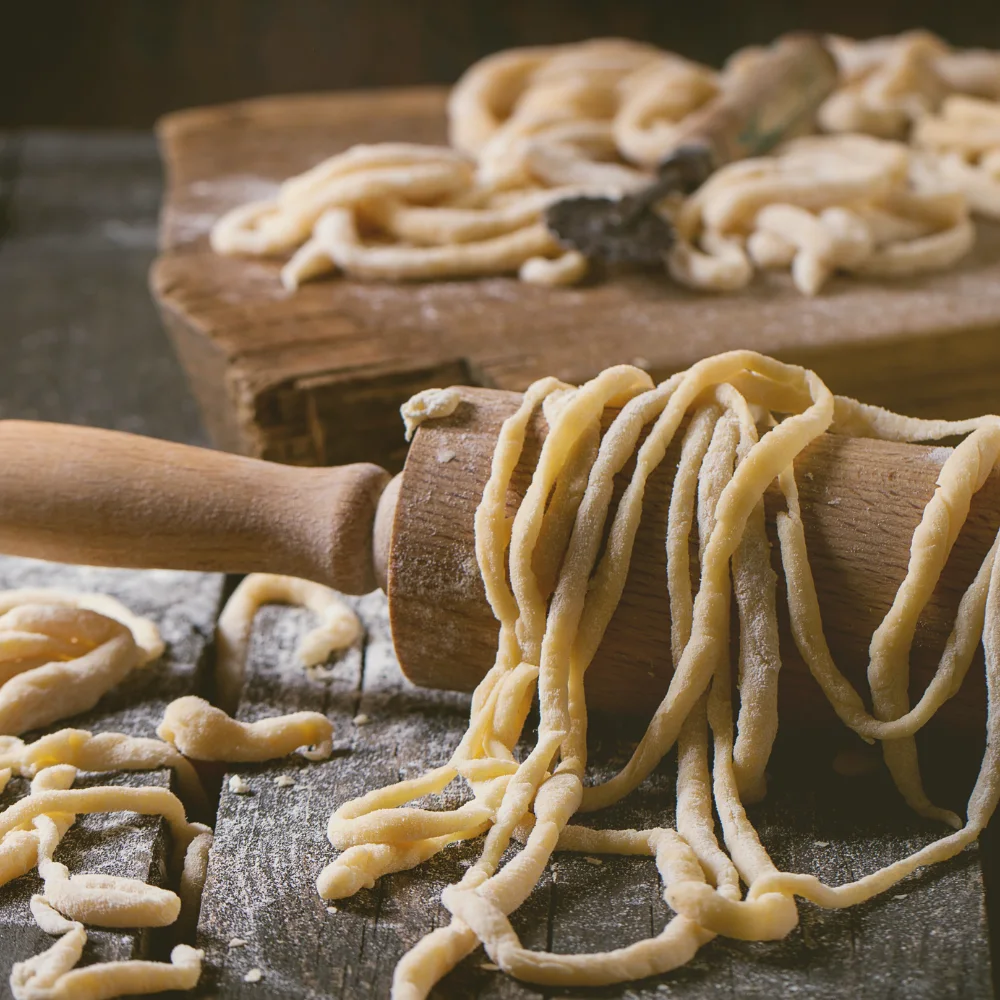
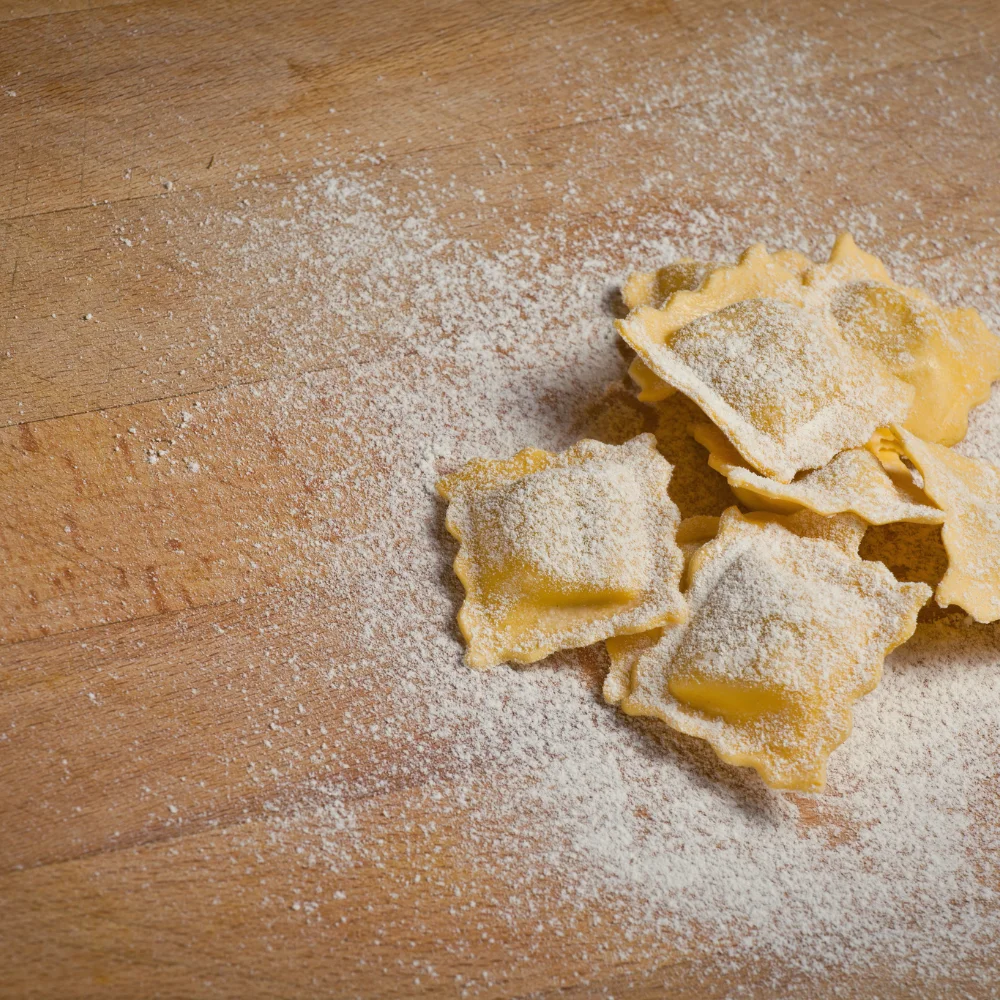
This philosophy becomes immediately clear when making fresh pasta by hand.
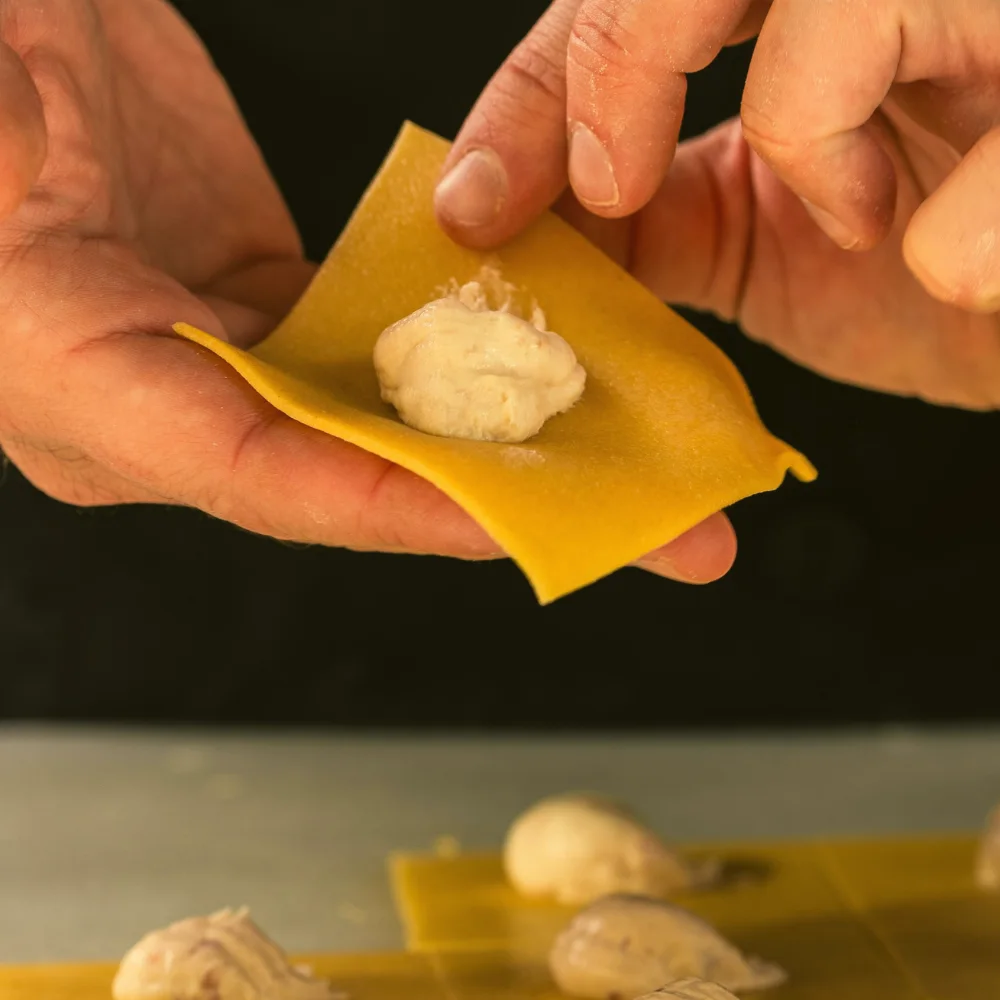
The dough itself requires only a few ingredients: flour, eggs, patience, and technique. Yet from these simple elements comes one of the most iconic foods in the world.
But the real Italian secret is not only the pasta.
It is the relationship between the pasta and the sauce.
In many countries, sauces tend to dominate the dish. In Italy, especially in traditional Tuscan cooking, the goal is the opposite: the sauce should enhance the pasta, not cover it.
That is why many Italian pasta sauces are surprisingly light and simple. Fresh tomatoes, olive oil, garlic, herbs, pecorino cheese, and seasonal ingredients are often all that is needed.
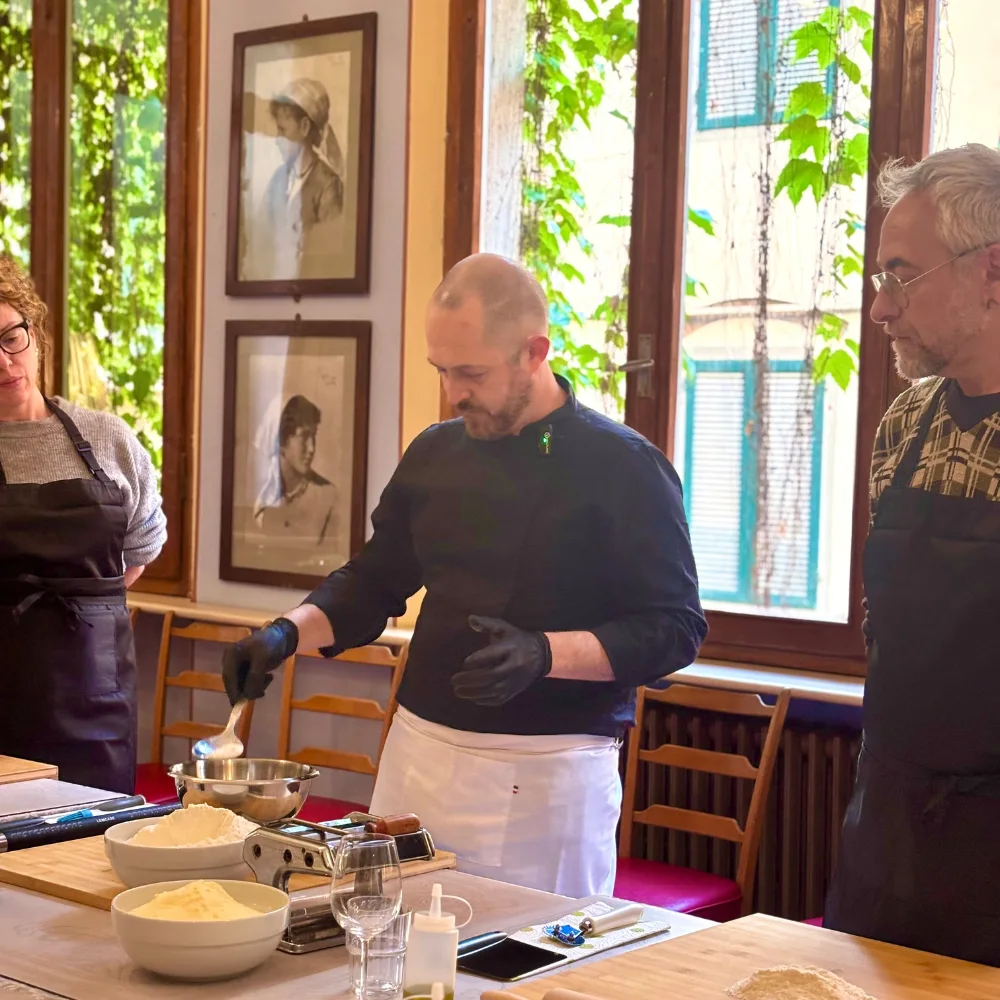
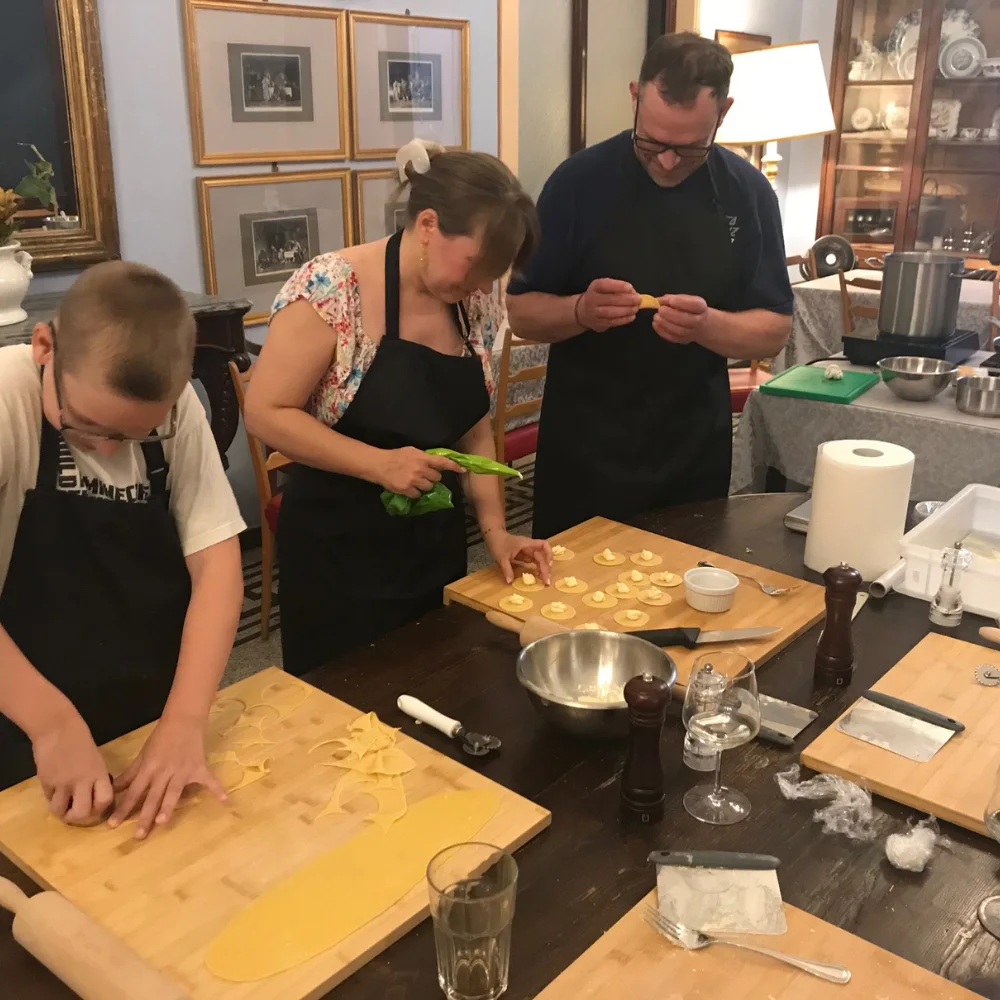
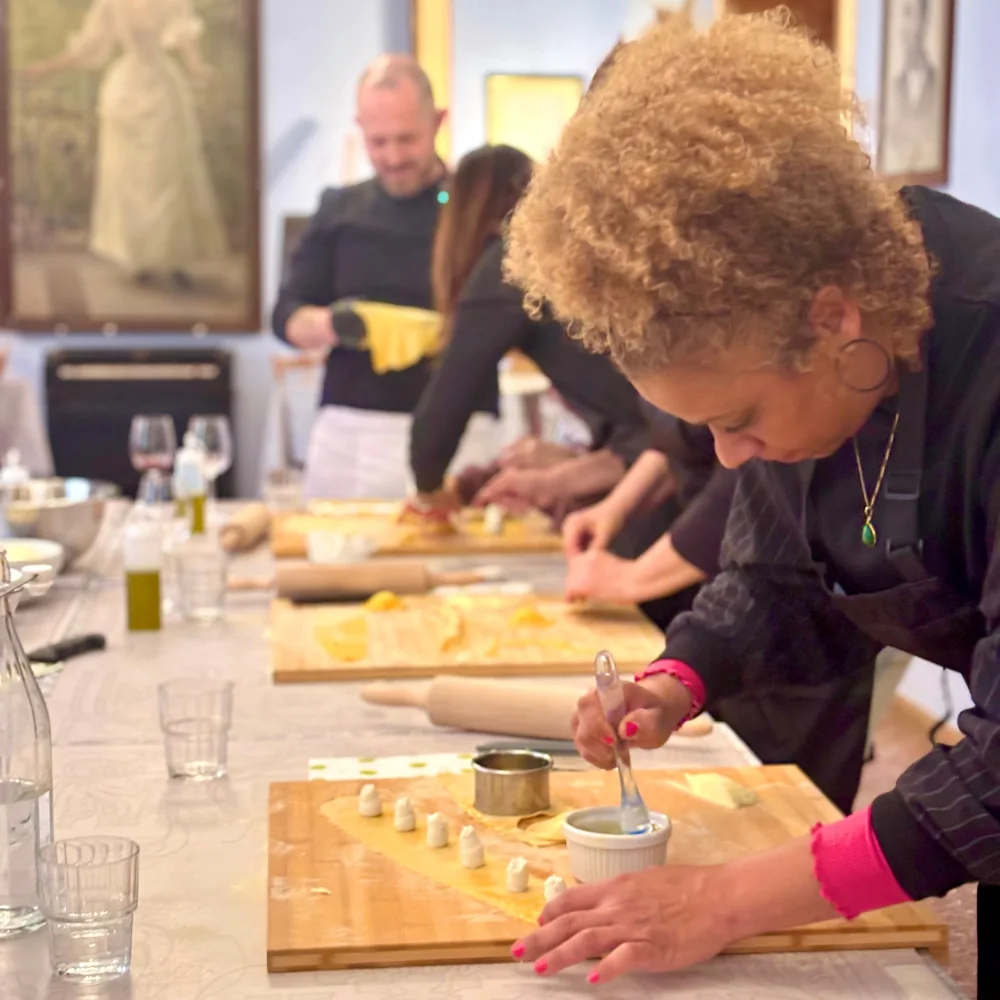
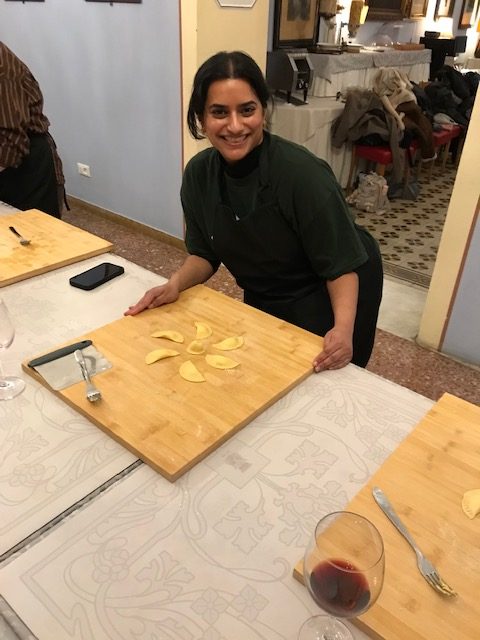
During a pasta-making experience in Pisa, guests learn not only how to prepare fresh handmade pasta, but also how to create traditional sauces designed to pair perfectly with each pasta shape.
This attention to balance is part of what makes Italian cuisine feel so authentic.
And perhaps even more importantly, these recipes are intentionally simple enough to recreate at home.
Many guests arrive believing that authentic Italian cooking must be difficult or complicated. By the end of the experience, they discover that the true beauty of Italian food lies in simplicity, technique, and sharing the meal together.
Inside the warm historic atmosphere of Italy’s oldest hotel, surrounded by flour, wine, and conversation, cooking becomes more than a lesson.
It becomes a small glimpse into the Italian way of life.