When people travel to Italy, they often say the same thing after their first meal: “I’ve never tasted pasta like this before.”
It’s not just the recipe. It’s not just the ingredients. It’s something deeper — a combination of tradition, simplicity, and the way food is prepared and shared.
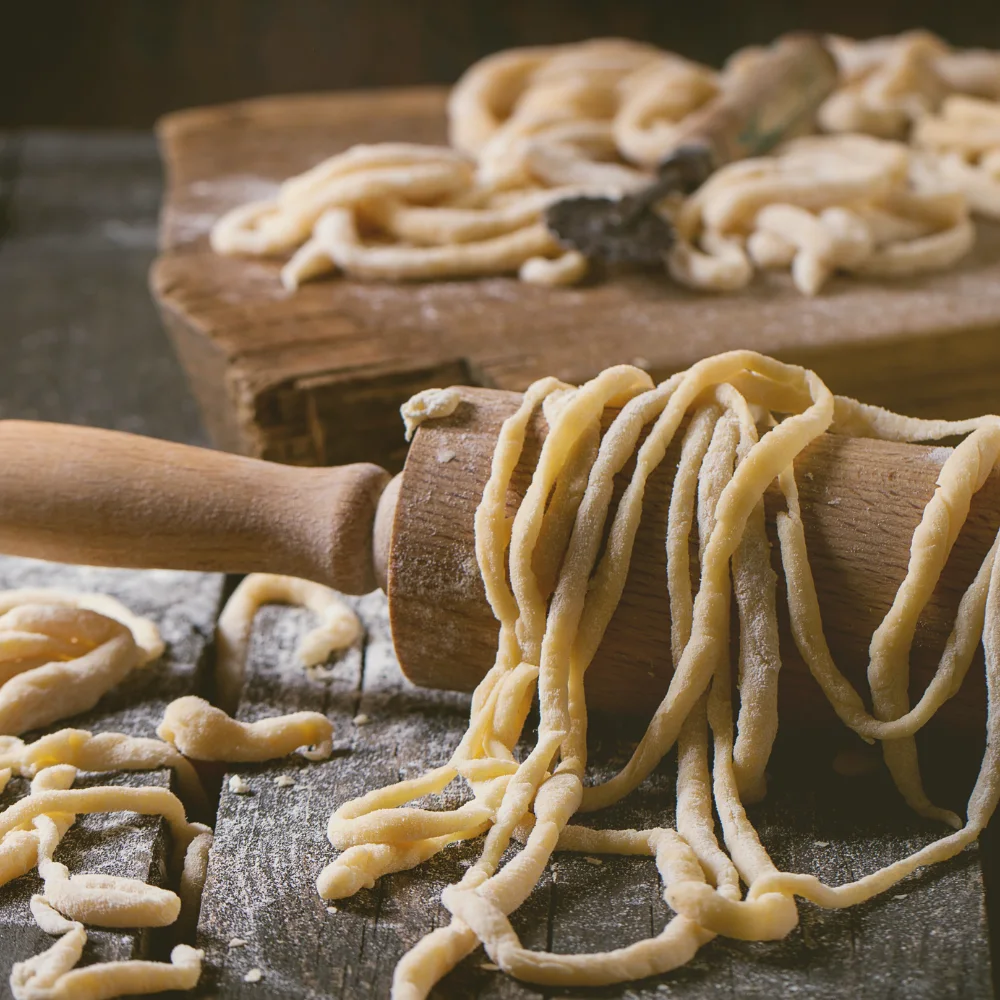
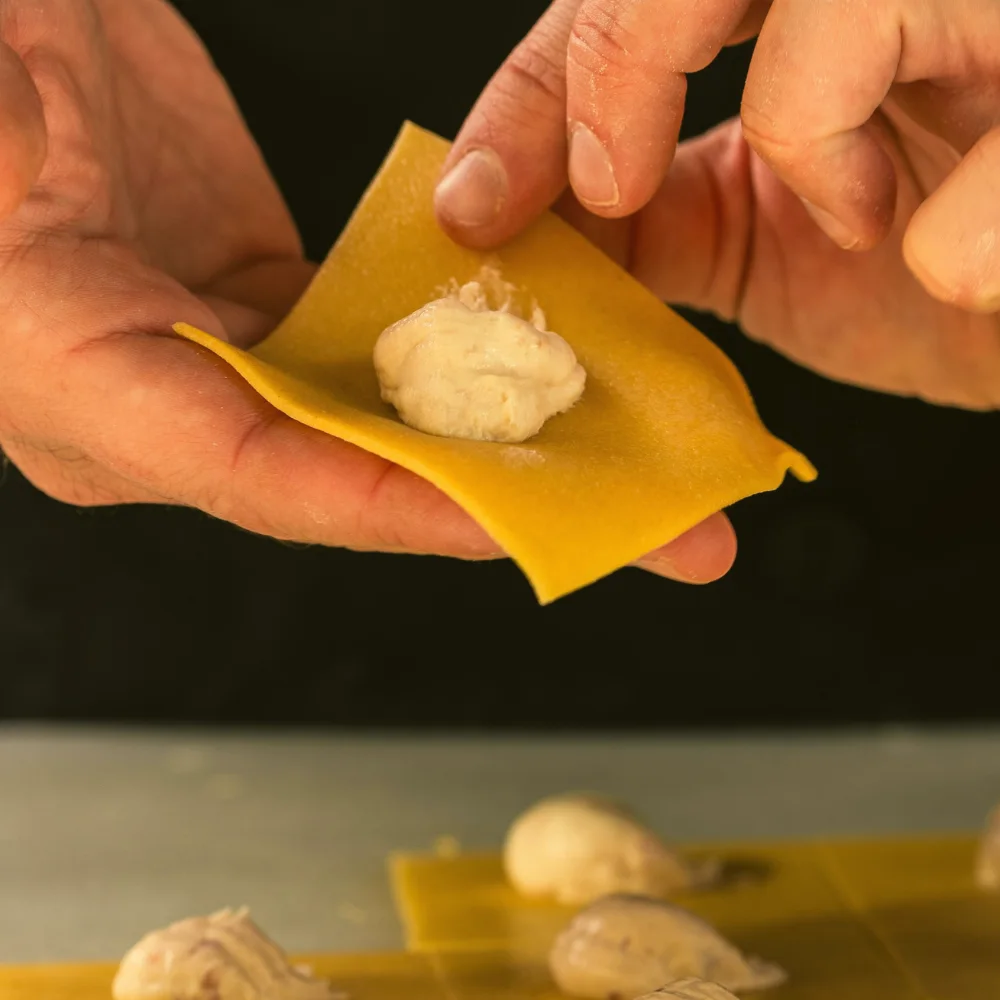
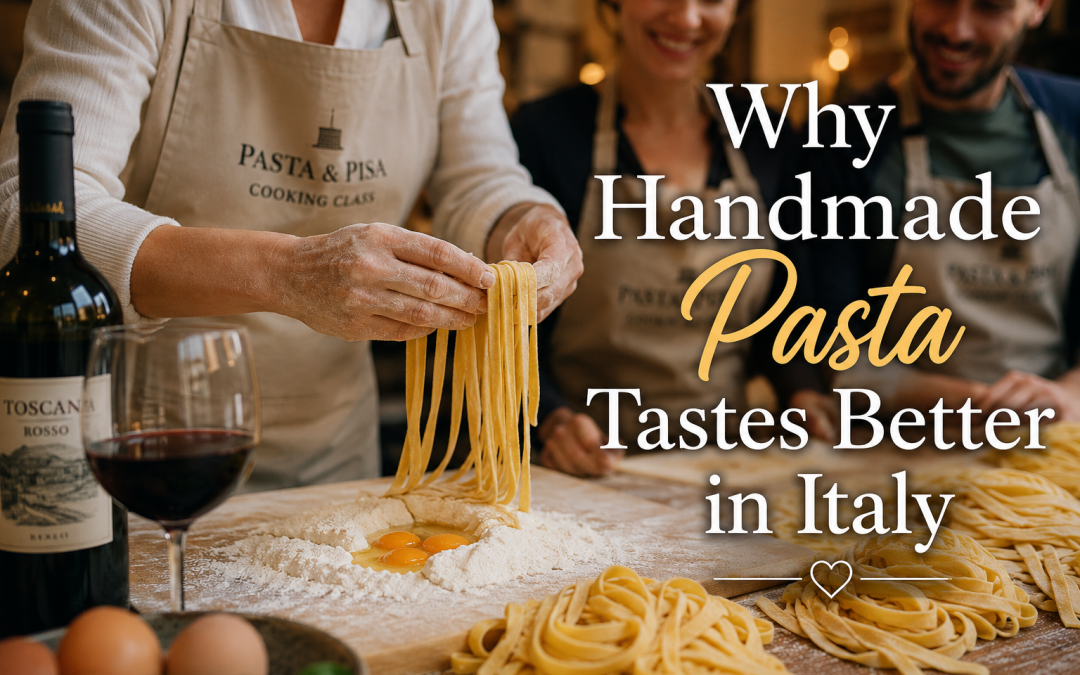
In Italy, handmade pasta is still made the traditional way: with simple flour, fresh eggs, and time. No machines, no shortcuts, no industrial process. Just hands, patience, and experience passed down through generations.
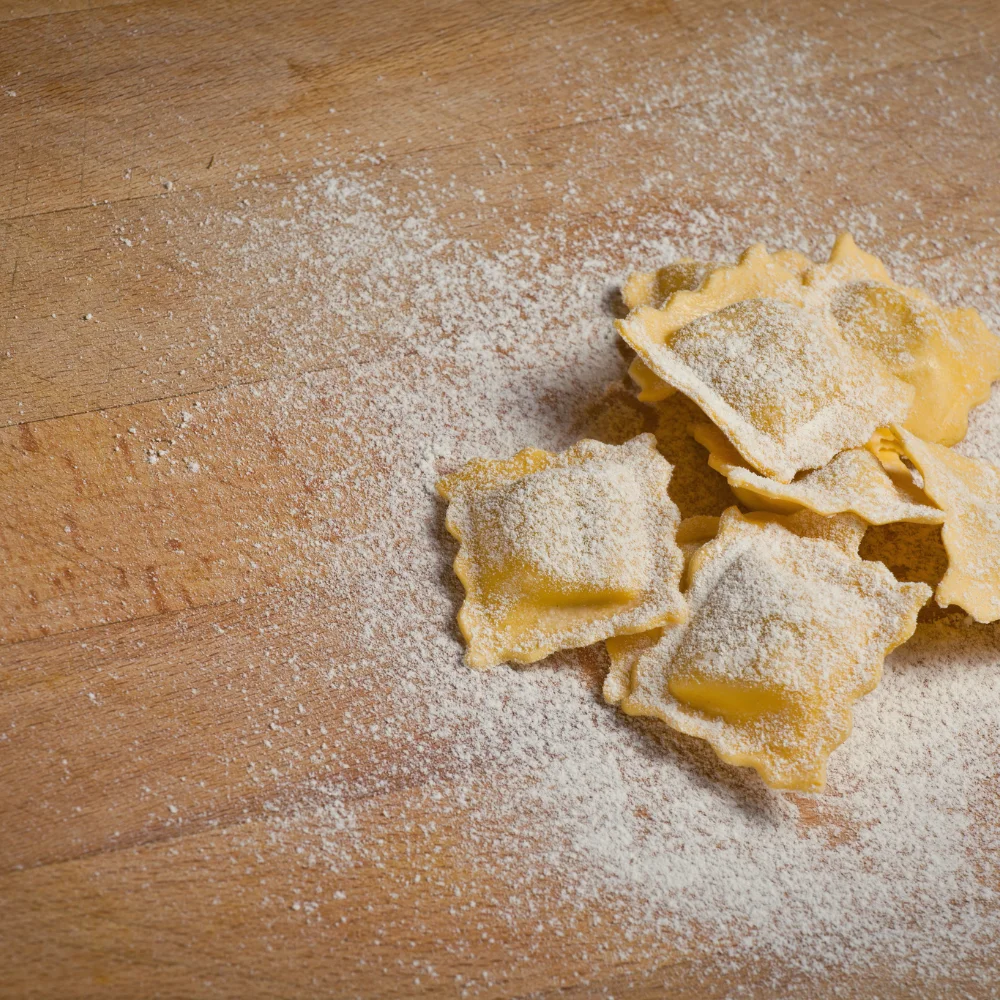
The difference begins in the technique. When pasta is made by hand, every movement matters. The dough is worked slowly until it reaches the perfect texture. Then it is shaped with care, creating a consistency and flavor that simply cannot be replicated by factory production.
But what truly makes the difference is not only how it is made — it is how it is experienced.
In Italy, food is never just food. It is a moment shared. A table, a conversation, a glass of wine, and people coming together to enjoy something they created or prepared with care.
That is why handmade pasta in Italy always tastes different. It is not only about taste — it is about atmosphere, emotion, and connection.
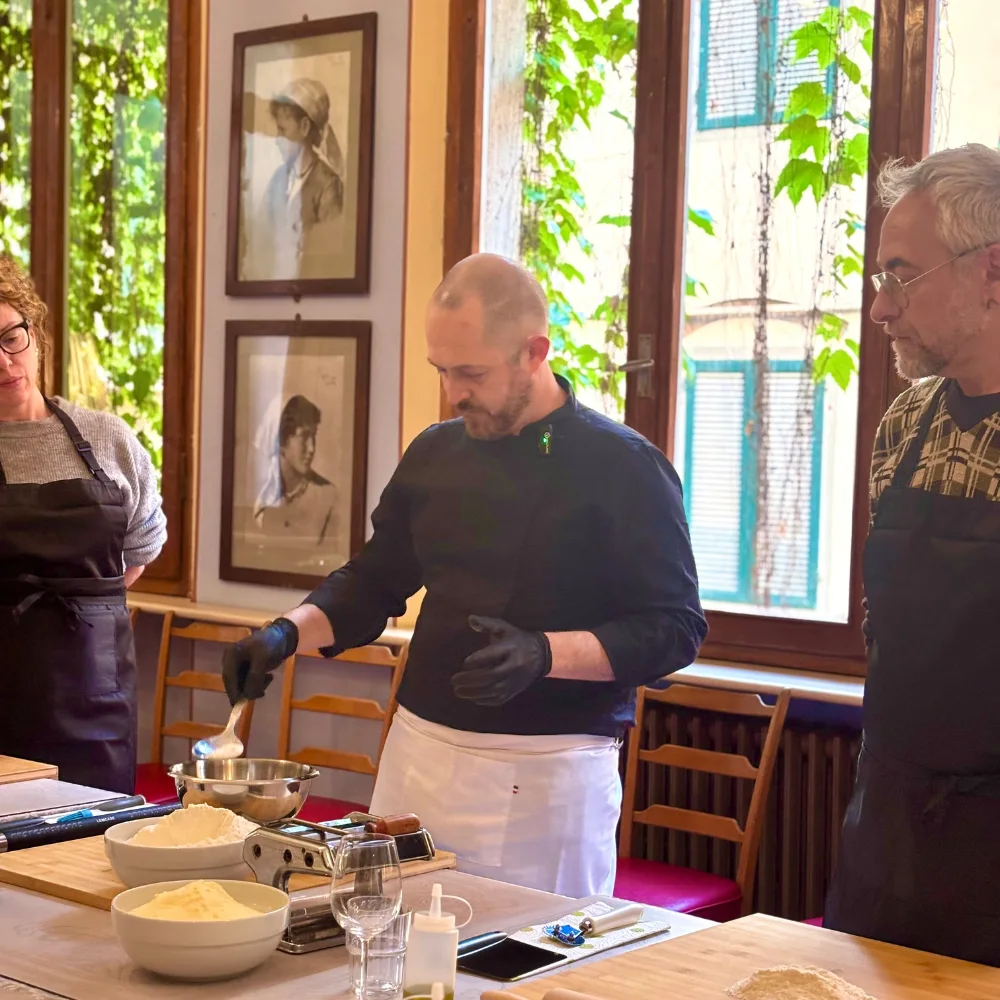
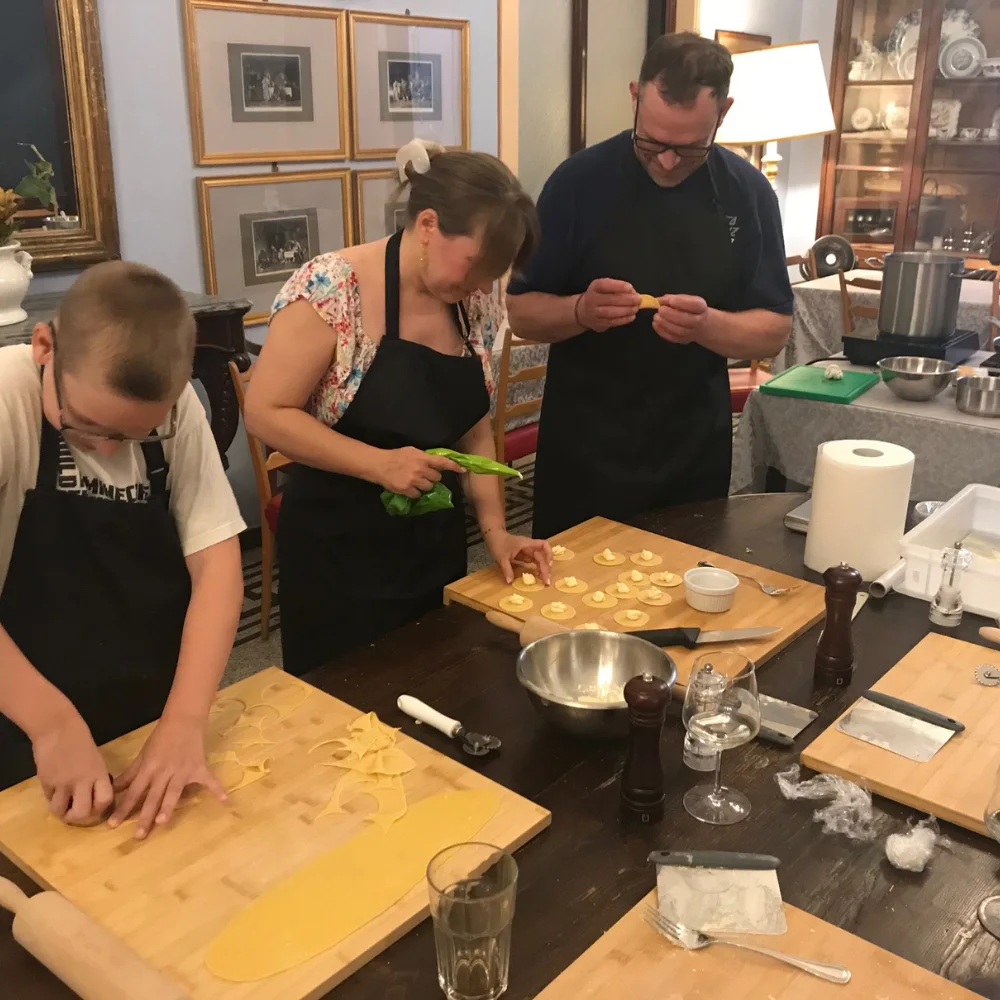
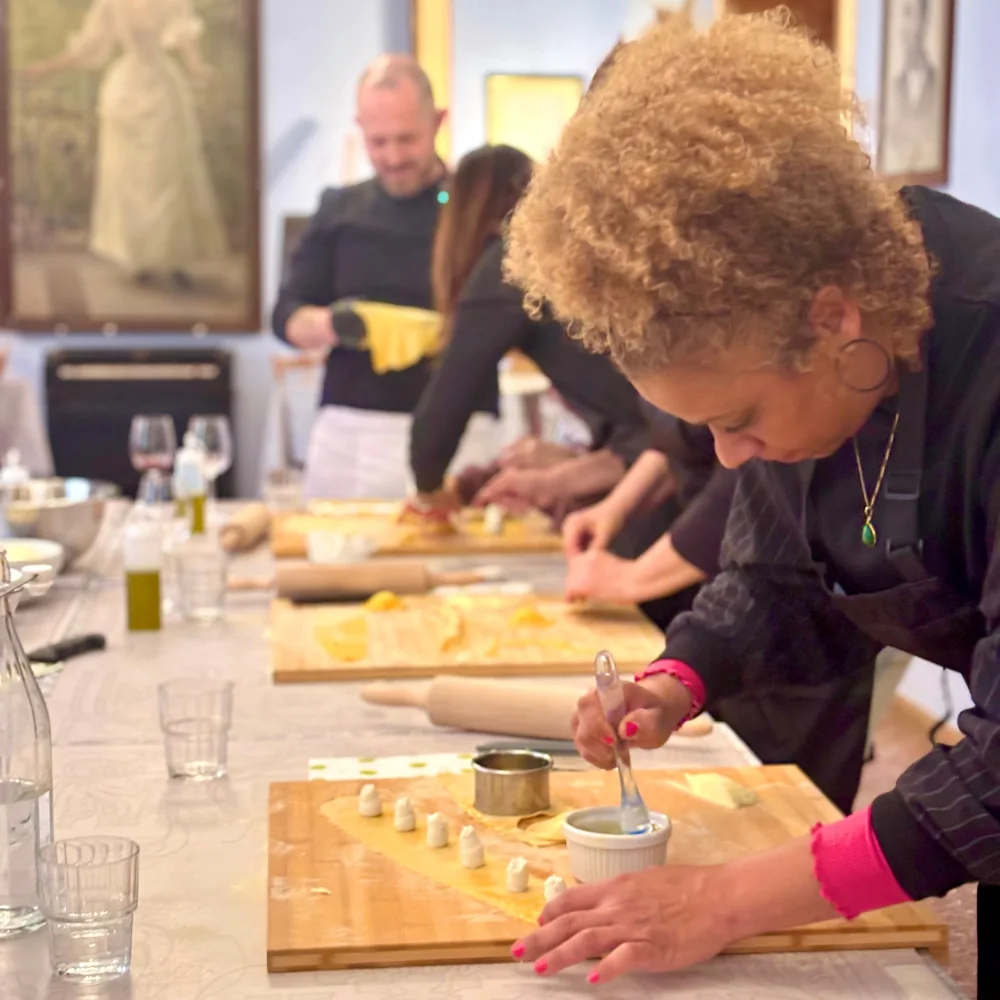
During a cooking experience in Pisa, guests don’t just watch how pasta is made. They actually make it themselves, step by step, using traditional methods in a relaxed and friendly environment. Once the pasta is ready, everyone sits together to enjoy it with simple traditional sauces and local Tuscan wine.
It is often the simplicity that surprises people the most. There is no need for complicated recipes or luxury ingredients. The beauty lies in doing something authentic, with your own hands, and then enjoying it in good company.
This is why handmade pasta in Italy is not just better — it is unforgettable.